

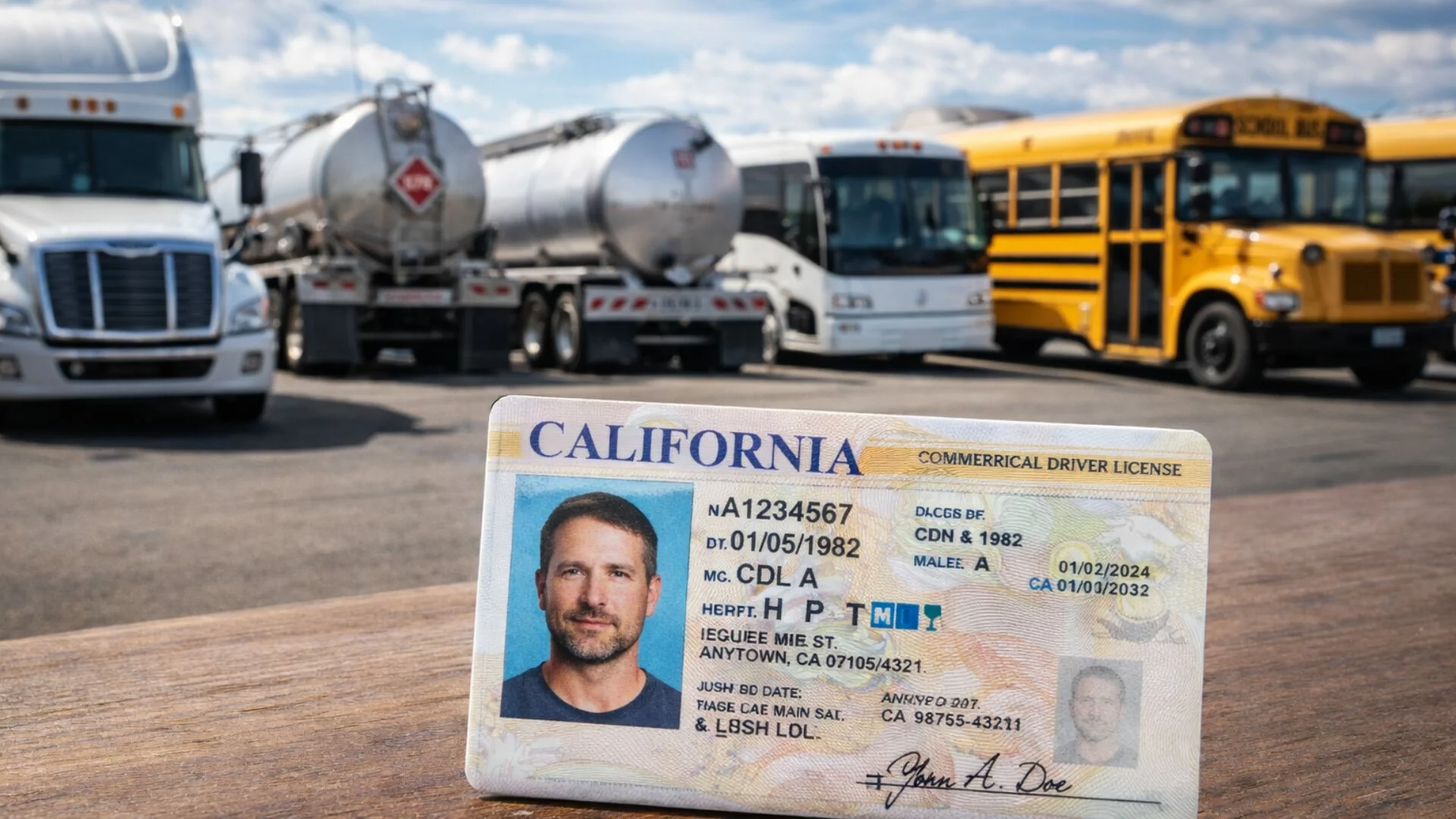
Ensuring that commercial motor vehicle (CMV) drivers are properly qualified is critical for road safety and regulatory compliance. Operating a CMV without the correct endorsements or in violation of license restrictions is a serious FMCSA violation under 49 CFR Part 383 — the federal rules for commercial driver’s licenses (CDLs).
What This FMCSA Violation Means
Federal law requires that all commercial drivers meet specific qualifications before operating a CMV. Drivers must hold a valid commercial driver’s license (CDL) that includes all necessary endorsements and does not have restrictions preventing the operation of the vehicle.
A driver operating a CMV without the proper endorsements or in violation of restrictions fails to meet federal CDL standards and puts public safety at risk.
CDL Qualification Under Part 383
According to 49 CFR Part 383, a person may qualify to drive a CMV only if they:
- Hold a valid CDL issued by a single state or jurisdiction
- Possess the correct endorsements for the type of vehicle and cargo
- Do not have restrictions that prohibit safe operation of the CMV
This ensures that drivers are fully capable of handling the vehicle safely and legally.
What Is a Commercial Driver’s License (CDL)?
A Commercial Driver’s License (CDL) is required for operating large or heavy vehicles. The CDL class—A, B, or C—determines the types of CMVs a person can legally drive.
CDLs are issued by state licensing agencies under federal standards enforced by the Federal Motor Carrier Safety Administration (FMCSA). The license must match the vehicle type and weight.
Endorsements and Restrictions Explained
CDL Endorsements
A CDL endorsement allows drivers to operate specialized vehicles or carry specific cargo. Endorsements indicate that the driver has passed additional testing and training. Common endorsements include:
- H – Hazardous Materials: Allows transport of hazmat
- P – Passenger: Required for carrying passengers
- S – School Bus: Needed to operate school buses
- T – Double/Triple Trailers: Required for pulling multiple trailers
- N – Tank Vehicle: Allows operation of tank vehicles
- X – Combination: Combines tank and hazardous materials endorsements
CDL Restrictions
Restrictions limit what a driver can legally operate, often based on skills tests not completed. One of the most common restrictions cited during FMCSA audits is the K restriction, which denotes Intrastate Only.
Drivers with a K restriction are only authorized to operate CMVs within the issuing state. Operating a vehicle across state lines with this restriction is a violation of federal law and one of the most frequently observed “violation of restrictions” during roadside inspections and audits.
Other restrictions may limit a driver from operating vehicles with specific features, such as air brakes, if they have not passed the applicable skills tests.
Why Proper Endorsements and Restrictions Matter
Endorsements reflect specialized training and knowledge. For instance:
- The passenger endorsement requires additional skills testing for safely transporting people.
- The hazardous materials endorsement requires a security threat assessment and specialized training to prevent accidents.
Restrictions, such as the K restriction, ensure drivers operate only where they are qualified. Violating these rules increases the risk of accidents and regulatory penalties.
When Operating Without Proper Endorsements or in Violation of Restrictions Is a Violation
FMCSA considers a driver unqualified if they operate a CMV:
- Without required endorsements for the vehicle or cargo
- When their CDL restrictions (e.g., K – Intrastate Only) prohibit the operation
- If their license class does not match the vehicle type
Violating these rules is a breach of 49 CFR Part 383 and can trigger enforcement actions against both drivers and carriers.
Importantly, operating a CMV without the proper endorsements is an Out-of-Service violation under the CVSA North American Standard Out-of-Service Criteria. For example, if a driver lacks a Hazmat or Tanker endorsement, they are not only subject to citations but are typically prohibited from continuing to drive until a qualified driver arrives. This ensures immediate risk mitigation for public safety.
How FMCSA Identifies This Violation
FMCSA inspectors check driver licenses during roadside inspections and compliance audits to verify:
- CDL class matches the vehicle
- Required endorsements are present
- No restrictions prevent operation
For example, a driver with a K restriction caught crossing state lines or a driver operating a tanker without an N endorsement will be cited for a violation of restrictions and placed Out-of-Service until compliance is restored.
Risks of Operating Without Proper Endorsements or Violating Restrictions
Driving without the proper endorsements or violating restrictions:
- Triggers an Out-of-Service order, preventing further vehicle operation until a qualified driver arrives
- Increases the risk of crashes and injuries
- Leads to citations, fines, and potential enforcement actions for drivers and carriers
- Reduces overall road safety
Proper endorsements and adherence to restrictions ensure drivers have the necessary knowledge, legal authority, and skills to operate their vehicles safely.
How Carriers and Drivers Can Stay Compliant
For Motor Carriers
- Verify each driver’s CDL class and endorsements before vehicle assignment
- Maintain updated copies of licenses in driver qualification files
- Educate drivers on endorsement requirements and restrictions, including K (Intrastate Only) limitations
- Regularly review state licensing records for changes or expirations
For Drivers
- Understand which endorsements your CDL requires
- Know any restrictions on your license (e.g., K restriction)
- Renew endorsements before expiration
- Complete required training and testing for new endorsements
- Avoid operating outside authorized areas (e.g., crossing state lines with a K restriction)
Maintaining proper endorsements and following restrictions supports FMCSA compliance and promotes safer highways.
Conclusion
Operating a commercial motor vehicle without the proper endorsements or in violation of license restrictions is a violation of federal law under 49 CFR Part 383 and can result in Out-of-Service orders under the CVSA North American Standard Out-of-Service Criteria. Both drivers and carriers share responsibility for compliance. Understanding endorsement requirements and license restrictions—especially common restrictions like the K restriction—reduces risk, protects the public, and ensures smoother regulatory inspections.
For official guidance on CDL classes, endorsements, and restrictions, visit the Federal Motor Carrier Safety Administration website.